

Furniture & Workplace
Office, hospitality & education
PANDA COLLECTIONS's international logistics support concerns coordinating freight, shipping documents and delivery planning for business supply requirements. A shipment is more than a departure date: it connects the goods that a supplier has prepared with the arrangements needed at the receiving destination. Start with the product, origin, destination and expected readiness. Distinguish a requested delivery date from a transport commitment, and identify the information still needed before a route or schedule can be assessed.
Useful information includes the number of packages, dimensions, gross weight, packing method and a clear product description. Identify whether the goods are assembled, fragile, oversized or subject to special transport requirements. An indicative quotation based on estimated packing information may need revision when the goods are ready. If the product requires permits, declarations or specialist handling, bring that requirement into the discussion early and confirm the responsibilities of the appropriate parties. No particular customs, licensing or specialist transport capability is implied without agreement.
When considering a freight proposal, look at the stages and charges included rather than only the main transport leg. Collection, handling, documentation, destination charges, local delivery and unloading may be treated differently between proposals. Agree the applicable commercial terms and identify who is responsible at each point. Where several suppliers are involved, consolidation may need to be planned first. A clear comparison makes exclusions visible and helps avoid treating unlike transport scopes as equivalent offers.
The commercial and packing information should correspond to the shipment that is being dispatched. Use consistent item descriptions and references, and resolve discrepancies before documents are finalised. The specific documents required depend on the goods, route and parties involved. Ask for these requirements to be identified rather than assuming that a standard document set is sufficient for every shipment. Product compliance evidence and transport documentation serve different purposes; having one does not establish that the other is complete.
The receiving site may have restricted delivery hours, limited access or a particular unloading process. Furniture, machinery, warehouse equipment and building materials can each create different destination constraints. Share those details while the shipment is being planned, particularly if packages will be difficult to handle or need to arrive in a defined sequence. PANDA COLLECTIONS's Singapore delivery coordination can be discussed alongside international logistics, but site access, unloading and any installation work must have an expressly agreed scope.
Include the origin and destination, product schedule, available packing details and expected readiness date. Explain your preferred delivery window and any deadline that affects the project. Identify products requiring special documentary or handling review and provide the relevant information you already hold. Transit estimates, charges and service availability must be confirmed for the proposed movement and may depend on third parties. The purpose of the enquiry is to establish a practical, clearly scoped logistics plan rather than an unconditional promise about arrival dates.
Define requirements.
Identify manufacturers.
Compare supply options.
Review supplier capability.
Coordinate quality checks.
Plan freight and documents.
Coordinate local delivery.
Office, hospitality & education

Tools, equipment & consumables

Materials for commercial projects
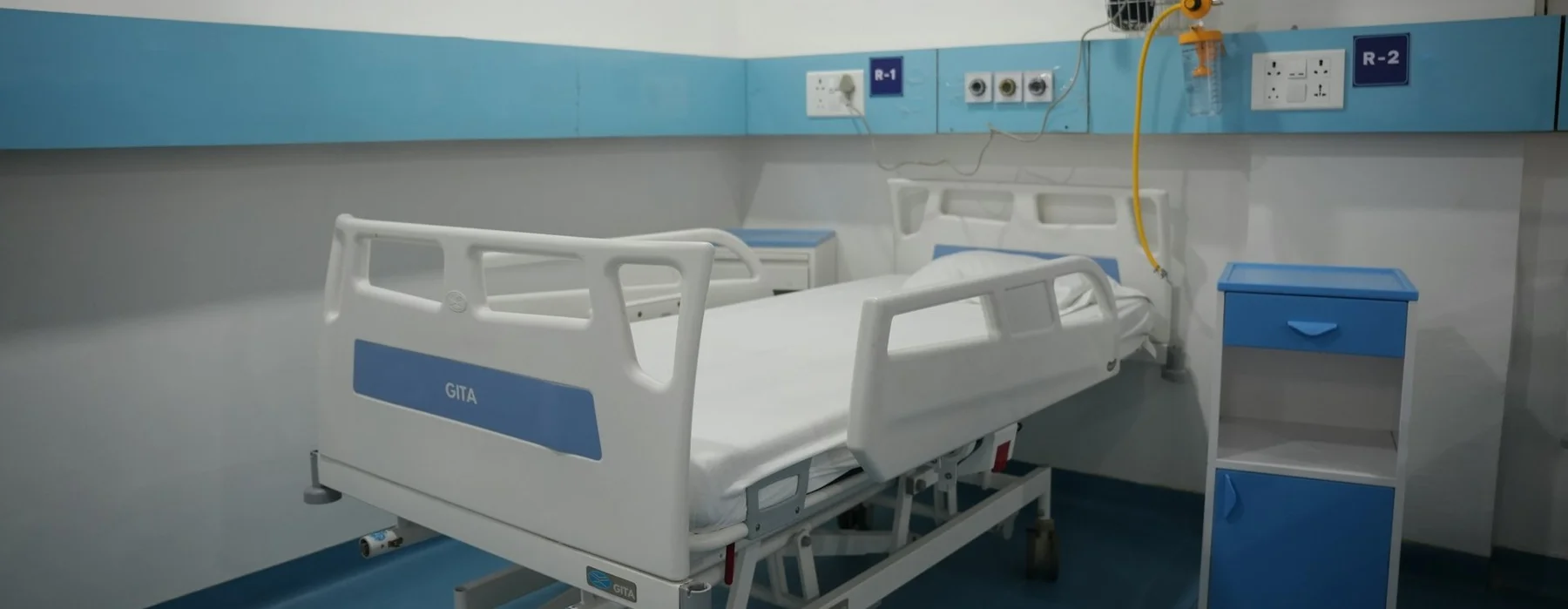
Medical & laboratory furniture

Cleanroom consumables & ESD

Workplace protection & safety

Storage & material handling

Machines for modern operations
No. Ask which dates are estimates and which commitments are included in the agreed service. Supplier readiness, transport arrangements and destination requirements must all be considered.
The requirements depend on the goods and route. Provide the product and cargo details so the appropriate parties can identify the documents and responsibilities for the proposed movement.
Share a specification, drawing or project brief.