

Furniture & Workplace
Office, hospitality & education
PANDA COLLECTIONS supports discussions about OEM/ODM requirements, including custom dimensions, materials, branding and specifications. A customised enquiry needs more detail than a standard catalogue selection because several decisions may affect the final product. Start by explaining the intended use and the problem the existing product does not solve. Then distinguish the features that must change from those that can remain standard. This helps frame a practical supplier discussion without assuming that every requested modification is feasible.
If the enquiry is based on an existing design, provide authorised drawings, reference images and a clear revision number. If it is based on a concept, describe the functional requirements and the aspects that still need development. Identify who owns the design and who can approve changes. Use only branding, artwork and technical material that you have permission to share. Responsibility for intellectual property, tooling ownership and any confidentiality arrangements should be agreed explicitly rather than inferred from the fact that files were exchanged.
For workplace furniture, customisation may concern dimensions, finishes, storage arrangements or branding. Warehouse and industrial equipment enquiries may involve a particular footprint, configuration or working environment. Packaging and presentation can also form part of a product requirement. Record measurable dimensions and material preferences where they are known, and flag assumptions that require supplier input. For medical, PPE or controlled-environment products, a proposed change must not be treated as preserving an existing approval or certificate without product-specific evidence and the buyer's required review.
Agree whether drawings, a sample, a prototype or other evidence is needed before a larger order. Define what the buyer will review at each stage, who can approve it and how changes will be recorded. Availability, charges, minimum quantities and timing for these stages depend on the particular proposal and must be confirmed. A sample can help clarify appearance or construction, but it is not automatically proof of every performance requirement. Keep technical acceptance and commercial approval visible as separate decisions.
The final approved description should connect to the quotation, production instructions, quality-control criteria and packing requirements. If a finish or dimension changes, update the reference documents so that later checks use the same revision. Discuss transport constraints early for oversized, fragile or assembled items. PANDA COLLECTIONS's sourcing, supplier coordination, quality-control and logistics support can be considered together, with the exact scope confirmed for the order. No engineering certification, design warranty or guaranteed development outcome is claimed here.
Share the product purpose, indicative quantities, preferred materials, dimensions, reference files and destination. Explain whether the requirement is a one-off adaptation or a potential repeat product. Include the intended review dates and identify any mandatory documents. The initial discussion should establish what information is missing, which changes a supplier can assess and what approval steps are appropriate before the buyer commits to production.
Define requirements.
Identify manufacturers.
Compare supply options.
Review supplier capability.
Coordinate quality checks.
Plan freight and documents.
Coordinate local delivery.
Office, hospitality & education
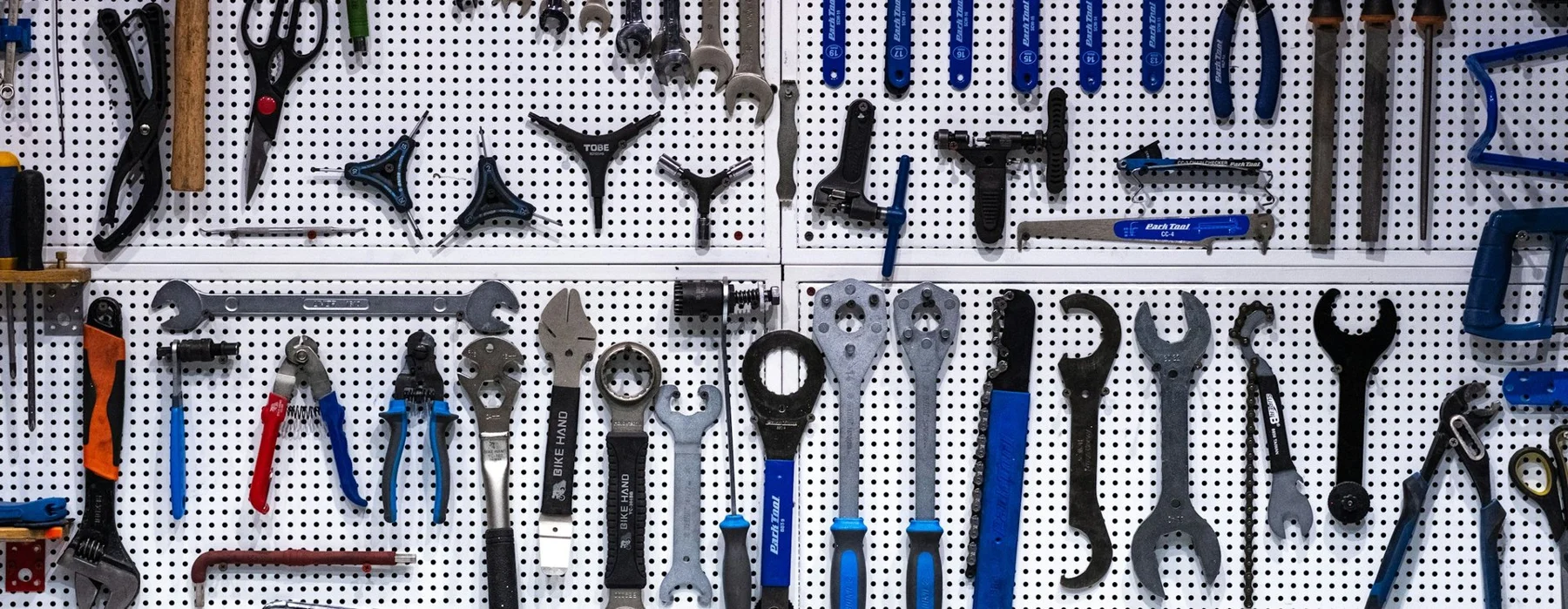
Tools, equipment & consumables
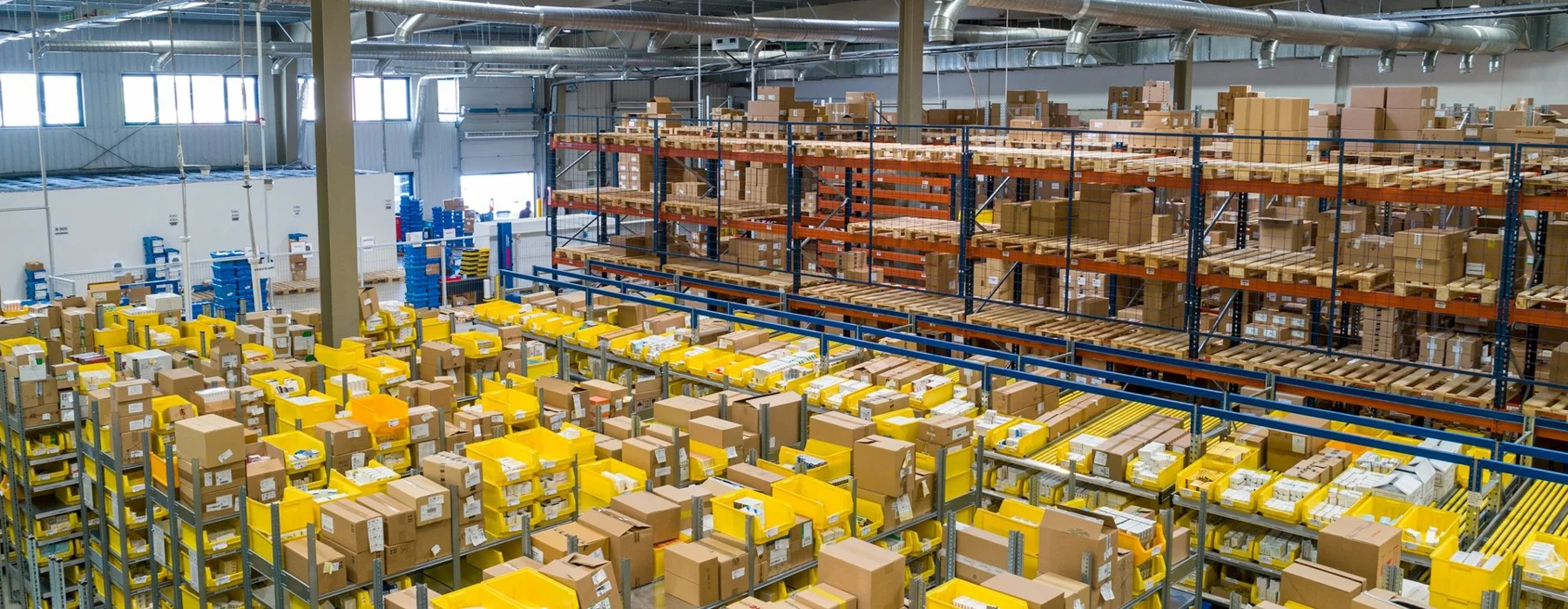
Storage & material handling
The appropriate review depends on the product and changes requested. Agree whether drawings, a sample or other evidence are needed and define what the buyer must approve.
Ownership and permitted use must be established in the applicable agreement. Sharing a drawing or paying for a sample does not by itself settle every design, tooling or intellectual-property question.
Share a specification, drawing or project brief.