

Furniture & Workplace
Office, hospitality & education
Product Development is included in the website requirements as a proposed PANDA COLLECTIONS service area. Its detailed business scope remains subject to approval. This draft explains how a buyer can prepare an early product discussion without implying that PANDA COLLECTIONS provides an established in-house engineering, testing or certification service. The starting point is to describe the user need, the intended operating environment and the decisions that are still open, rather than presenting an unfinished concept as a production-ready specification.
Explain the task the product should help someone perform and the limitations of existing options. Identify the expected users, the space available and the conditions in which it will be used. A requirement such as fitting through a doorway is different from an assumed solution such as a particular frame design. Keeping that distinction visible makes it easier to discuss alternatives. Include photographs or sketches where useful, but state which dimensions are measured, which are approximate and which have not yet been determined.
Some requirements may be addressed through an existing product, a configuration change or an OEM/ODM adaptation. Others may need specialist design or development work before a supplier can quote meaningfully. The initial discussion should clarify which situation applies. Furniture, storage, workshop equipment and related product categories can provide useful reference points, but category familiarity is not proof that a novel design is feasible. Any specialist involvement, technical assessment or development deliverable must be expressly agreed with the appropriate parties.
A development brief should identify the evidence needed for the next decision. That might be an agreed specification outline, a supplier's feasibility response, a drawing review or a separately arranged sample assessment. Define the purpose of each step and the person authorised to approve progress. Costs, tooling requirements, ownership, minimum quantities and timing should be discussed before commitments are made. Avoid treating an indicative discussion as a fixed production quotation or interpreting a promising sample as a guarantee of manufacturability at the intended volume.
If the concept moves forward, keep a controlled record of the agreed requirements and outstanding risks. That record can support future sourcing, procurement, quality-control and logistics discussions. Packaging, handling and delivery constraints should be considered alongside the product itself, especially for large or fragile items. Regulatory suitability and required performance evidence remain matters for explicit review by the buyer and relevant specialists. This website does not assert certification, successful testing, patent ownership or completed product-development outcomes for an unverified concept.
Send a concise description of the problem, intended users, target application and indicative quantity. Include authorised reference files, known constraints and the decisions you need help to frame. Explain which work has already been completed and which assumptions remain untested. A productive first conversation should identify the next question to resolve and whether it fits an agreed PANDA COLLECTIONS supply-support scope. Detailed service commitments will be published only after the business has confirmed this proposed area.
Define requirements.
Identify manufacturers.
Compare supply options.
Review supplier capability.
Coordinate quality checks.
Plan freight and documents.
Coordinate local delivery.
Office, hospitality & education
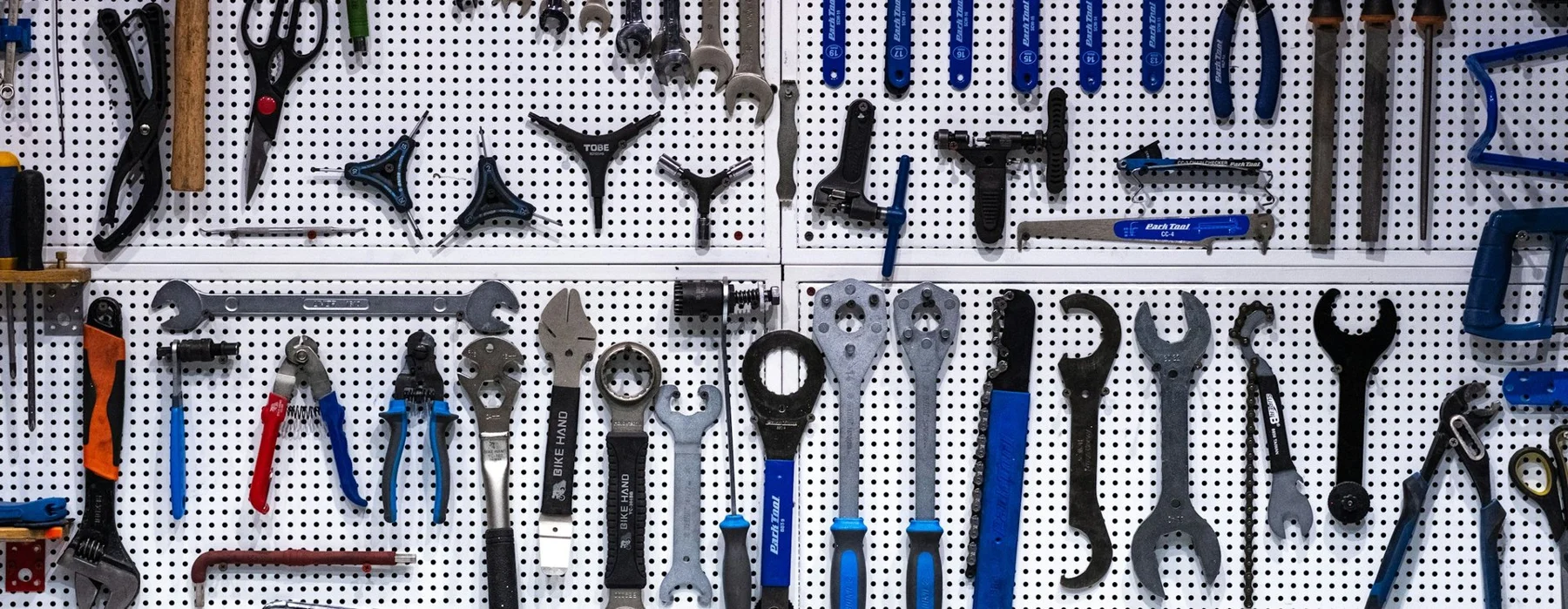
Tools, equipment & consumables

Machines for modern operations
Its detailed PANDA COLLECTIONS scope is awaiting business approval. The page describes preparation for a supply discussion, not a claim of in-house engineering, testing or certification capability.
That is a useful option to assess. Explain the gap between available products and your requirements so an OEM/ODM adaptation can be considered before assuming a new design is necessary.
Share a specification, drawing or project brief.