

Furniture & Workplace
Office, hospitality & education
PANDA COLLECTIONS supports project procurement involving multiple product categories and supply stages. A project may combine furniture, industrial equipment, building materials or storage products, each with different specifications and readiness dates. The central task is to keep the product schedule, approval decisions and delivery priorities connected. Start with the project requirements and the buyer's decision process rather than assuming that all items should be ordered together or that one supplier can meet every part of the brief.
Give each requirement a clear reference and describe its quantity, intended location and specification. Identify which items have been selected and which remain open for sourcing. Use revision dates for drawings and schedules so that suppliers and decision-makers can distinguish current information from superseded versions. Where a bill of quantities is available, mark the lines included in the enquiry and note any items supplied by others. This reduces ambiguity about the boundaries of the proposed procurement scope.
Different items may need different approvals. A facilities team may assess dimensions and access, while another person reviews commercial terms or required documentation. Identify who can approve a proposed alternative and who can authorise an order. Highlight items that affect later work, such as equipment needed before an area can be handed over. A practical schedule should show the requested decision dates as well as the desired delivery windows, because unresolved specifications can affect sourcing and production planning.
The business profile describes support from sourcing and procurement through supplier coordination, quality control, consolidation and logistics. For a project, those activities should be linked to the agreed item schedule. Decide which products require samples, document review or an agreed inspection checkpoint. Discuss whether goods from different suppliers should be consolidated or delivered in stages. Confirm packing and destination requirements for large or fragile items. Each activity should have a defined scope; an overall project enquiry does not automatically include every possible service.
A change to quantity, material, dimensions or delivery sequence can affect more than one part of the plan. Record the revised requirement, identify the affected item references and confirm the commercial and scheduling consequences before proceeding. Keep assumptions about stock, lead time, certification and installation separate from verified information. If a proposed substitution needs a specialist assessment, direct it to the responsible reviewer. Procurement coordination supports an informed decision process but does not replace the buyer's design approval or a contractor's technical responsibilities.
Share the product schedule or bill of quantities, available drawings, project location and indicative timeline. Explain the intended use of each category and any constraints on access or receiving. State whether the request is for early budgeting, option comparison or a defined purchasing scope. Include the relevant approval contacts and identify documents that must accompany an offer. PANDA COLLECTIONS can then discuss the supply coordination required for the project, with services, responsibilities and exclusions confirmed before commitments. No completed project outcomes, guaranteed savings or delivery guarantees are asserted by this draft page.
Define requirements.
Identify manufacturers.
Compare supply options.
Review supplier capability.
Coordinate quality checks.
Plan freight and documents.
Coordinate local delivery.
Office, hospitality & education

Tools, equipment & consumables

Materials for commercial projects
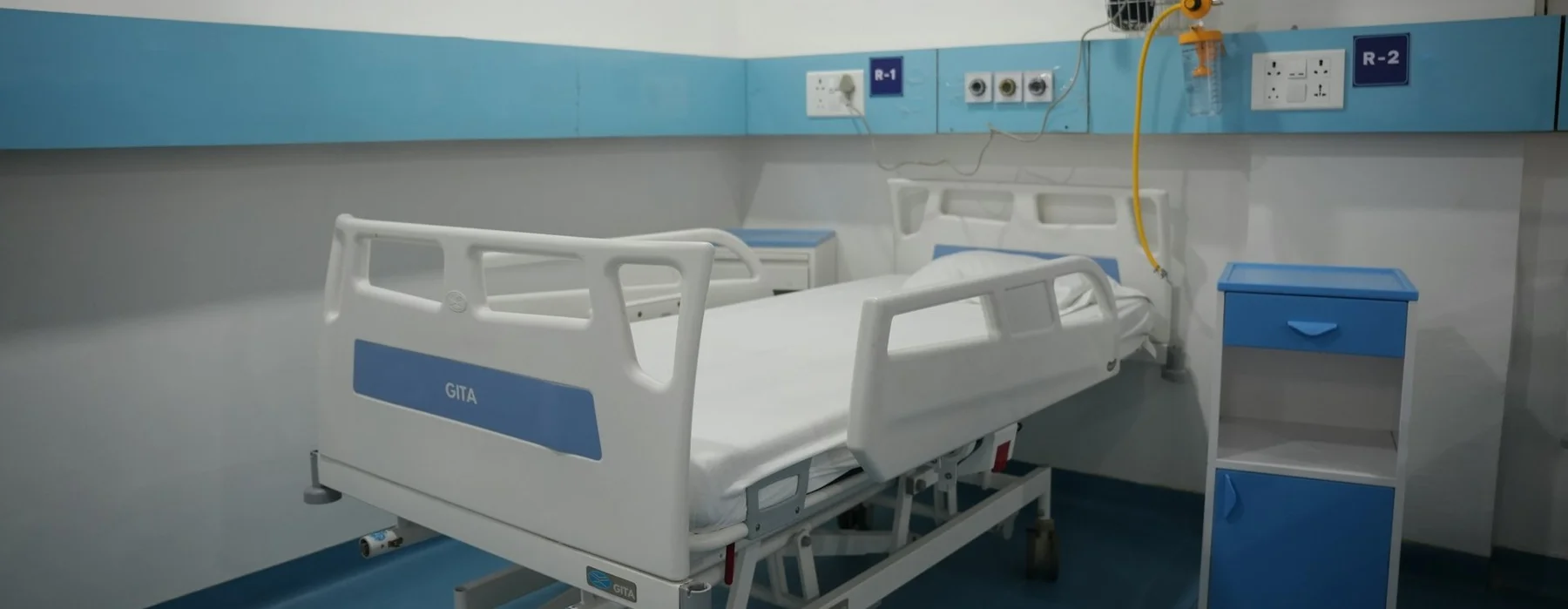
Medical & laboratory furniture

Cleanroom consumables & ESD

Workplace protection & safety

Storage & material handling

Machines for modern operations
Yes, provided undecided items and assumptions are clearly identified. Distinguish early budgeting or option comparison from a request for a firm order-ready quotation.
Record the revised requirement and affected item references. Confirm technical approval and the commercial or scheduling consequences before changed instructions are used for procurement.
Share a specification, drawing or project brief.