

Furniture & Workplace
Office, hospitality & education
PANDA COLLECTIONS provides Singapore-based coordination for local delivery and selected installation support. The final stage of a supply requirement needs practical site information, especially for bulky furniture, storage products or equipment. An address alone may not explain how goods can reach the receiving point. A useful enquiry describes the building, access route, delivery window and the people responsible for receiving the goods so that the proposed arrangements can be assessed before a date is confirmed.
Provide the full address, unit or floor and a contact for access questions. State whether there is a loading bay, goods lift or restricted vehicle access, and include relevant dimensions where these affect the products being delivered. Identify any booking, induction or building-management requirements known to you. If the route includes stairs, narrow doors or areas that must remain operational, make that clear. These details are inputs for planning; the website does not establish that a particular handling method or installation service is available for every site.
Delivery, unloading, movement to a final location, assembly and installation are different activities. Ask which of them is included in the proposal and identify any work that another contractor will perform. A workstation assembly requirement differs from the installation of warehouse equipment or the commissioning of machinery. Technical, structural or electrical work may require separate qualified parties and should never be assumed to form part of a general delivery service. The required scope and responsibilities must be confirmed for the actual product and location.
Local delivery planning depends on the readiness of the supplied products and, where applicable, the completion of international freight arrangements. A requested date should be coordinated with supplier readiness, site readiness and receiving availability. If several categories are being supplied, discuss whether deliveries need to be combined or sequenced. For a refurbishment or operational facility, explain any periods when access is restricted. Changes to the product or destination requirements can affect the plan, so updated information should be communicated before dispatch.
Keep the item schedule available at the receiving point so that packages can be identified against the order. Agree who will record delivery, report visible discrepancies and direct items to the correct area. If assembly or another agreed service is included, clarify what completion information the buyer expects and who can acknowledge it. Packaging removal, storage, movement of existing furniture and other site tasks should be discussed separately where needed. They should not be treated as included simply because goods are delivered to the premises.
Send the product list, quantities, available package dimensions and the delivery address. Add site photographs or access drawings if you are authorised to share them and they would clarify a constraint. State the preferred window, receiving contact and any requested assembly or installation work. Charges, availability, timing and exclusions remain subject to confirmation. This information helps define a realistic local delivery scope while keeping specialist work and unverified service commitments out of the assumption list.
Define requirements.
Identify manufacturers.
Compare supply options.
Review supplier capability.
Coordinate quality checks.
Plan freight and documents.
Coordinate local delivery.
Office, hospitality & education

Tools, equipment & consumables

Materials for commercial projects
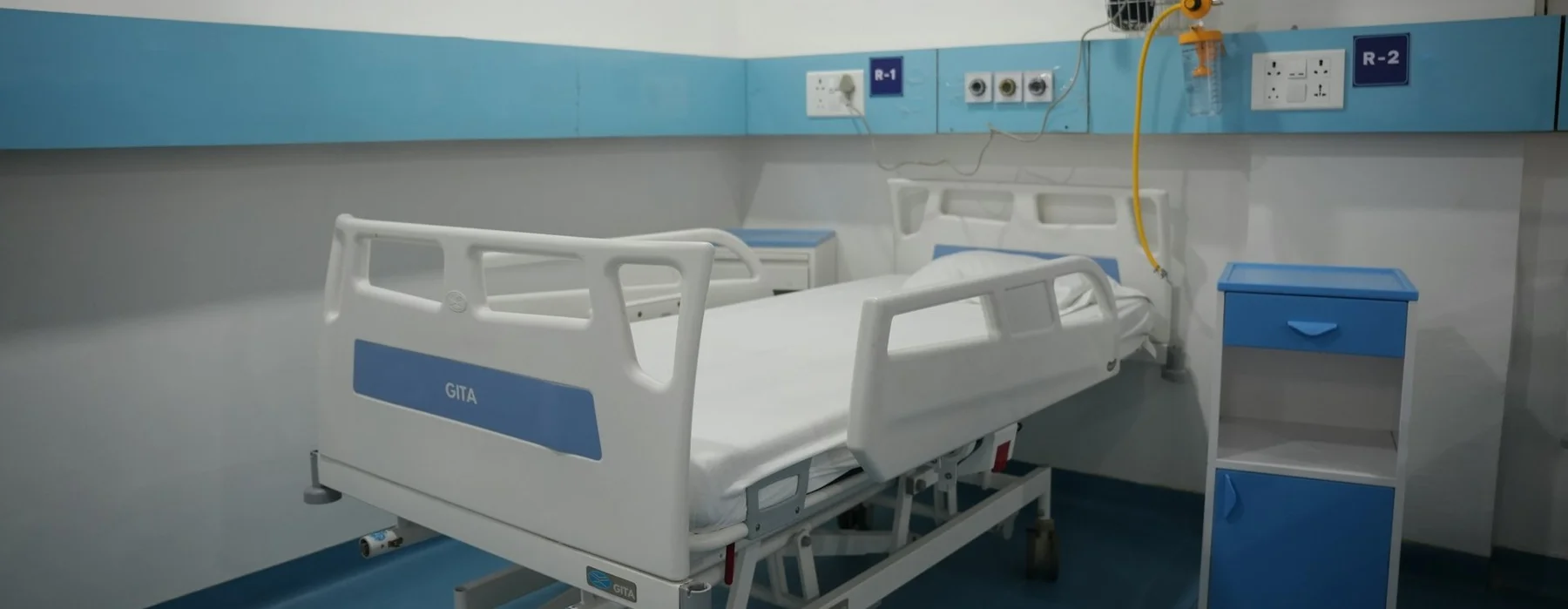
Medical & laboratory furniture

Cleanroom consumables & ESD

Workplace protection & safety
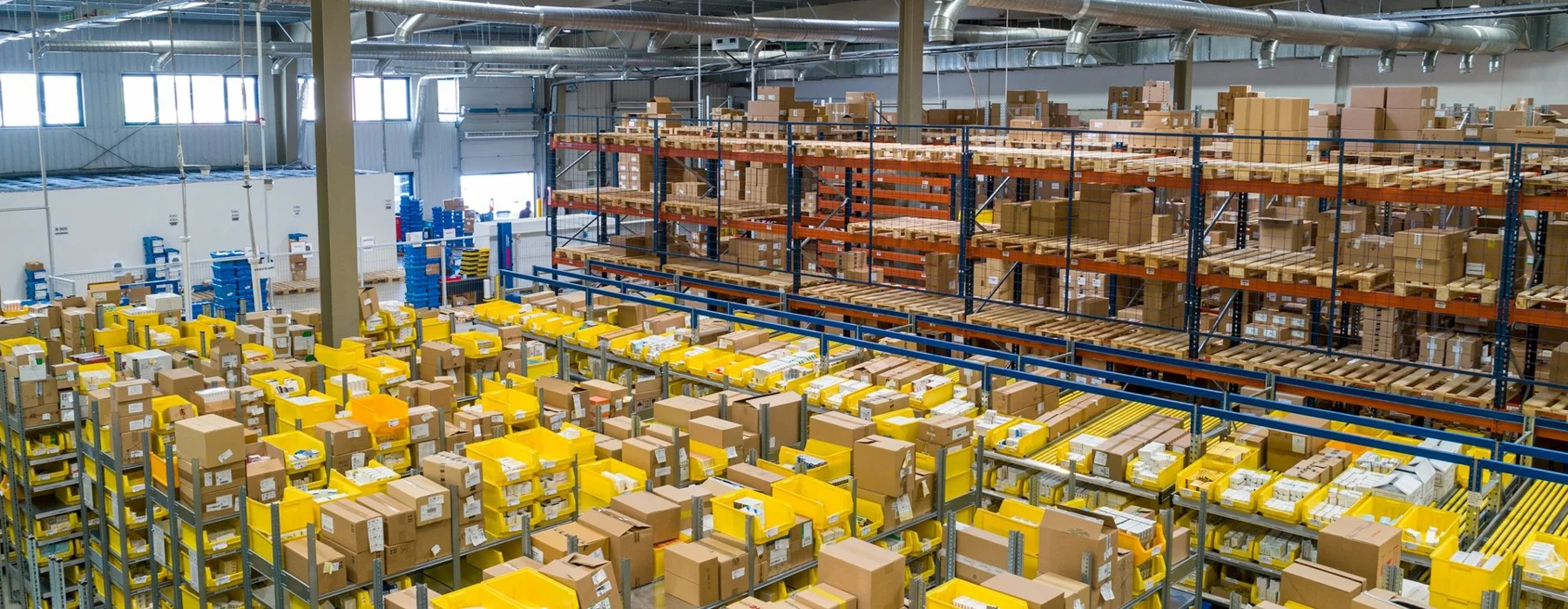
Storage & material handling

Machines for modern operations
Not automatically. Identify each activity required, including movement to the final location, assembly and any specialist work, and have the included scope confirmed in the proposal.
Send the floor, loading-bay arrangements, lift or doorway constraints, receiving hours and booking requirements. Explain any stairs or operational restrictions that affect handling.
Share a specification, drawing or project brief.