

Furniture & Workplace
Office, hospitality & education
PANDA COLLECTIONS is a Singapore-based sourcing and procurement partner connecting business buyers with manufacturers and products across Asia. Global sourcing starts with the intended use of a product, rather than a photograph or an attractive unit price. A useful enquiry describes what the product must do, where it will be used and which requirements cannot change. This gives the sourcing discussion a practical basis and helps distinguish suitable options from products that merely look similar.
Begin with the product category, target quantity and delivery location. Add drawings, reference photographs, material preferences, dimensions and any existing product code. State whether an exact replacement is needed or whether alternatives can be considered. If a particular standard or document is mandatory, identify it in the brief so that supporting evidence can be requested for the proposed product. A catalogue statement alone should not be treated as proof that a specific item meets a project requirement.
A sourcing comparison should make differences visible. Pack quantities, finishes, accessories, packaging and transport assumptions can change the meaning of a quotation. Ask for those details to be recorded alongside the product description. Separate confirmed information from unanswered questions, and identify any proposed substitutions before a purchasing decision. Where samples, drawings or document checks are needed, agree what each review is intended to establish. Their cost, timing and availability remain subject to confirmation for the particular enquiry.
Once a suitable direction is identified, the enquiry can move into procurement, supplier coordination, quality-control planning and logistics discussions. These are connected decisions: a large or fragile item may need different packing, and products from several suppliers may require a consolidation plan. PANDA COLLECTIONS's business profile describes support across these stages, but the scope of each order must still be agreed. Finding a potential supplier does not itself confirm stock, manufacturing capacity, regulatory suitability or a delivery date.
Furniture and workplace enquiries may focus on layout, finish and dimensions. Industrial and MRO requests often need clear item descriptions, replacement compatibility and repeat-order references. Building materials call for a defined specification and project quantities. Medical, cleanroom and PPE enquiries need product-specific documentation for the buyer's review. Warehouse equipment and machinery enquiries should explain the operating environment and intended use. Browse the relevant category, then include the facts that would help a supplier assess the actual requirement.
Tell us your preferred and acceptable alternatives, the required destination and the date by which you need a decision. Distinguish a project deadline from a confirmed delivery commitment. If a budget range is available, it can help frame the comparison without replacing technical requirements. Share only drawings and documents that you are authorised to disclose. The next useful outcome is a clearer sourcing brief and a list of questions to resolve, rather than an unsupported promise that every requested product can be supplied.
Define requirements.
Identify manufacturers.
Compare supply options.
Review supplier capability.
Coordinate quality checks.
Plan freight and documents.
Coordinate local delivery.
Office, hospitality & education

Tools, equipment & consumables

Materials for commercial projects
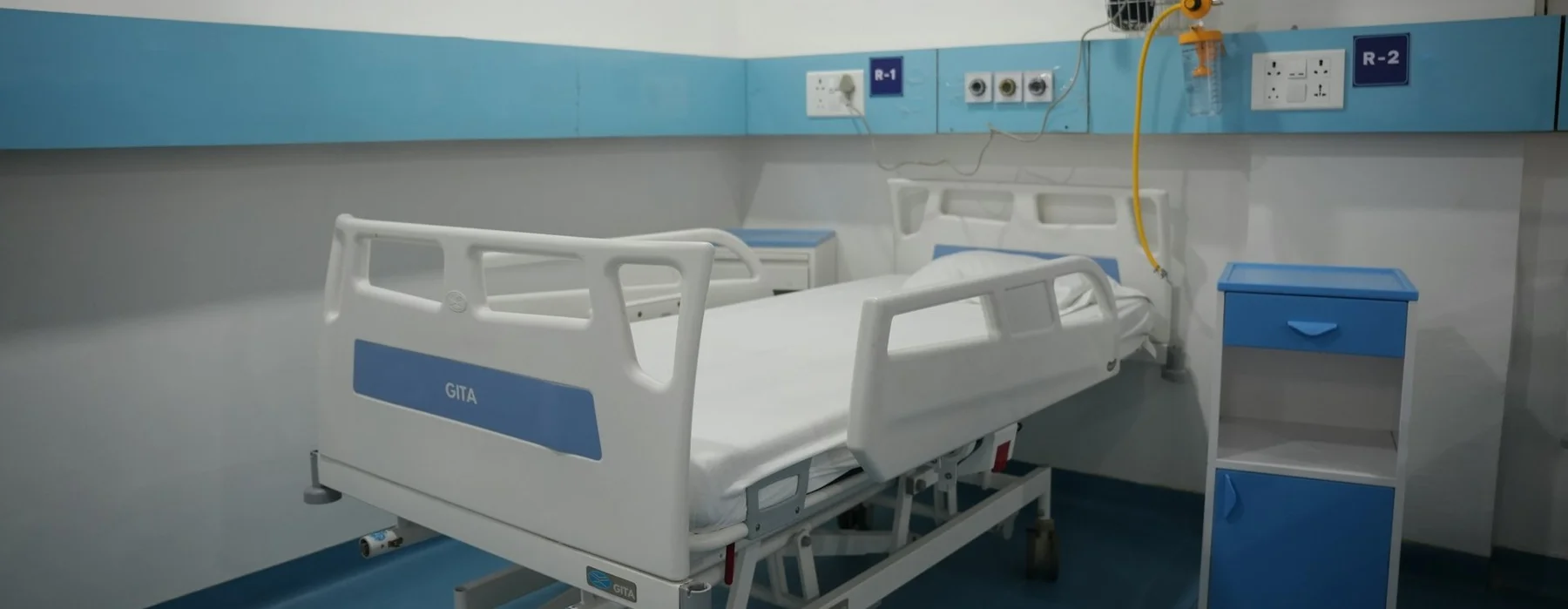
Medical & laboratory furniture

Cleanroom consumables & ESD

Workplace protection & safety

Storage & material handling

Machines for modern operations

PT-TD-CHR-318A
View product →
PT-FLR-0001
View product →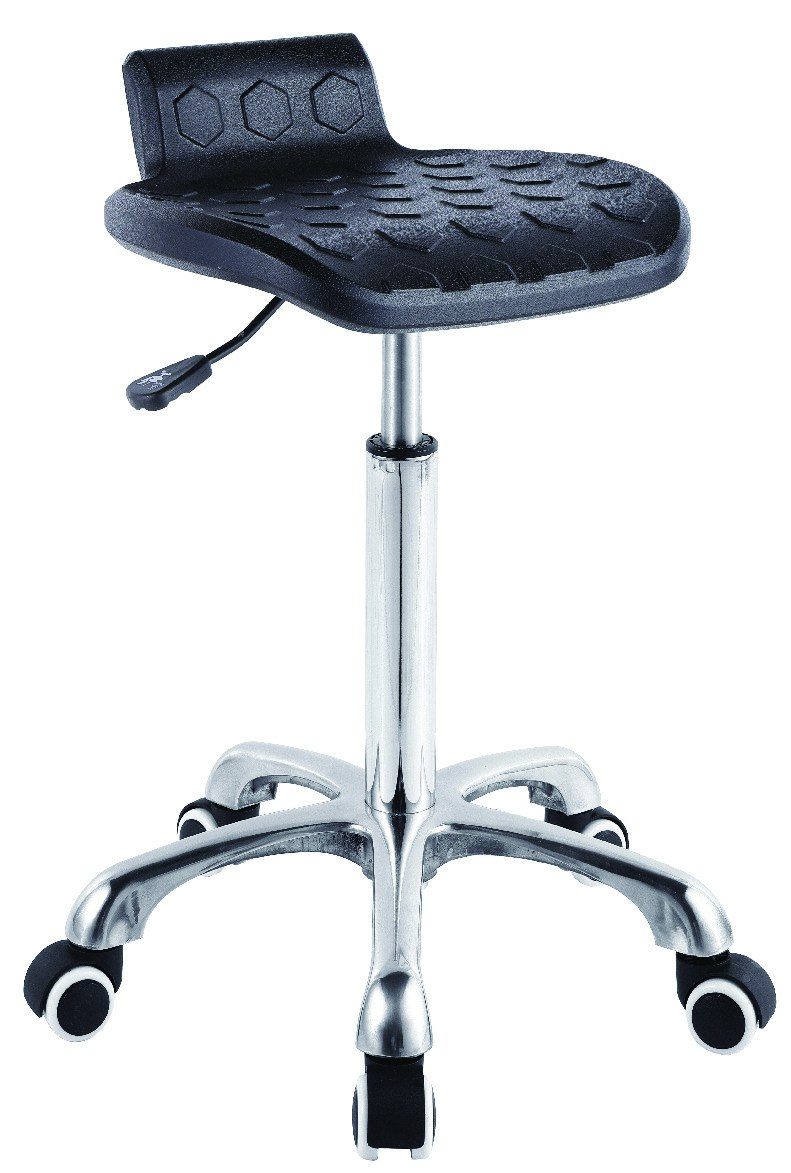
PT-ESD-CH01B
View product →
PT-DIN-0021
View product →Provide the existing reference and the features that cannot change. An exact match or an alternative must be confirmed from supplier information; a similar photograph does not establish compatibility.
Describe the intended use, quantities, dimensions and constraints. Authorised reference images can help, but identify which details remain undecided so the sourcing brief can be clarified.
Share a specification, drawing or project brief.