

Furniture & Workplace
Office, hospitality & education
PANDA COLLECTIONS provides B2B procurement coordination from Singapore for businesses sourcing products across Asia. Procurement brings the commercial and practical details of a requirement together: which items are needed, how they are described, what is included in the quotation and who must approve the order. It is particularly useful when a request contains several product lines or when different people are responsible for technical selection, purchasing and delivery arrangements.
A clear schedule gives each item a reference, description, quantity and unit of measure. Attach the relevant drawing or specification revision to that reference, and identify optional items separately. For replacement products, include the existing model or part reference where it is known, without assuming that a visually similar item is interchangeable. For furniture, record dimensions and finishes; for consumables, state pack sizes; for equipment, describe the intended application and required documentation. This reduces ambiguity when quotations arrive in different formats.
Check what the proposed price includes and what remains outside the scope. Packaging, accessories, freight, local delivery and installation should be explicit where relevant. Minimum quantities, lead times and payment arrangements need confirmation for the actual order. If an alternative specification is proposed, route it to the person authorised to assess it before acceptance. A comparison is most useful when it records both the offered item and the unresolved points, rather than reducing different offers to a single headline price.
An approved item list provides the reference for subsequent supplier coordination and quality checks. Changes after approval can affect production, packing or shipping plans, so revised requirements should be identified clearly. A delivery schedule should distinguish the supplier's expected readiness from freight and destination arrangements. PANDA COLLECTIONS's procurement, quality-control, consolidation and logistics capabilities can be discussed as part of one requirement, while the responsibilities and scope for each stage remain subject to the agreed quotation and order terms.
An office fit-out may combine workstations, chairs and storage. A factory request may group tools, workshop furniture and recurring MRO items. A warehouse project can include shelving, bins and trolleys, while a construction schedule may contain materials with different delivery priorities. Healthcare and controlled-environment purchases require particular attention to the documentation specified by the buyer. The common task is to maintain a reliable item reference across the enquiry, comparison, approval and delivery stages, even when the products themselves differ substantially.
Send the item schedule, quantities, destination, required decision date and any internal approval constraints. Identify the contact who can answer technical questions and the person responsible for commercial approval. Explain whether this is a one-off project, a repeat purchase or an initial comparison of options. Procurement support does not remove the need for the buyer to approve suitability, terms and any regulated-product requirements. The aim of the enquiry is to define a workable purchasing scope with assumptions visible before commitments are made.
Define requirements.
Identify manufacturers.
Compare supply options.
Review supplier capability.
Coordinate quality checks.
Plan freight and documents.
Coordinate local delivery.
Office, hospitality & education

Tools, equipment & consumables

Materials for commercial projects
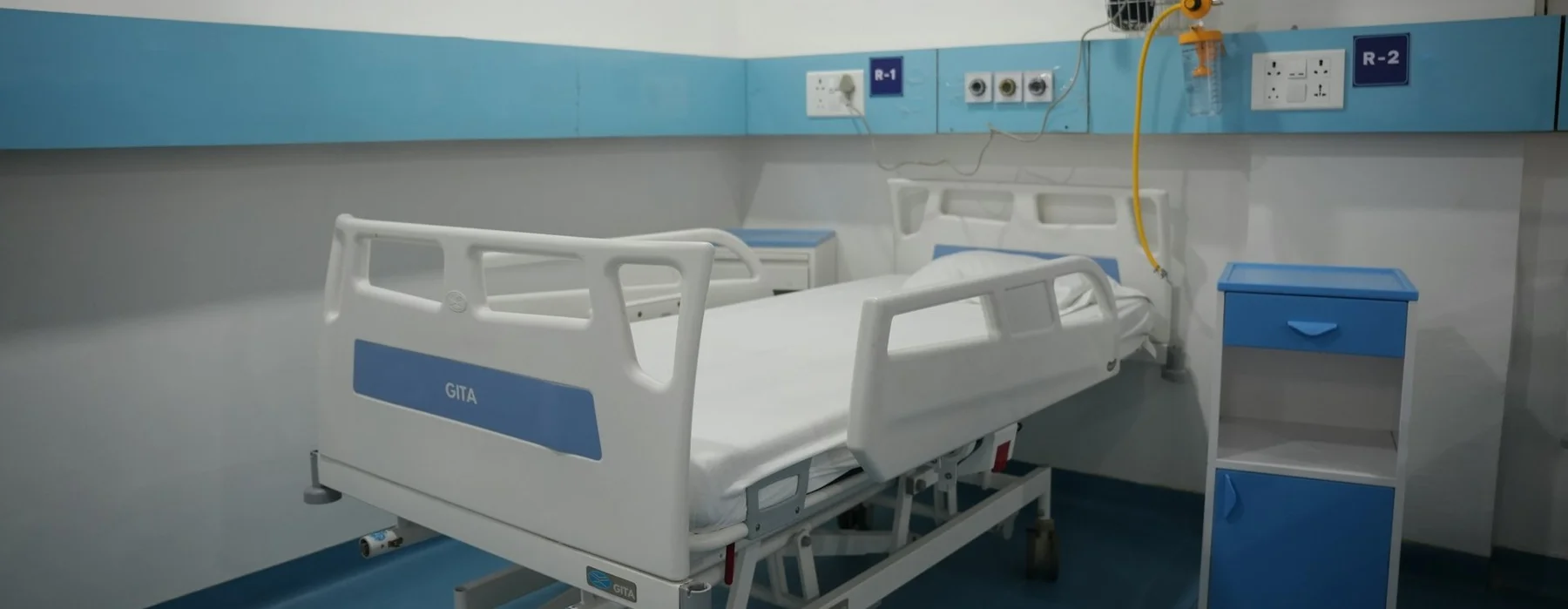
Medical & laboratory furniture

Cleanroom consumables & ESD

Workplace protection & safety

Storage & material handling

Machines for modern operations

PT-TD-CHR-318A
View product →
PT-FLR-0001
View product →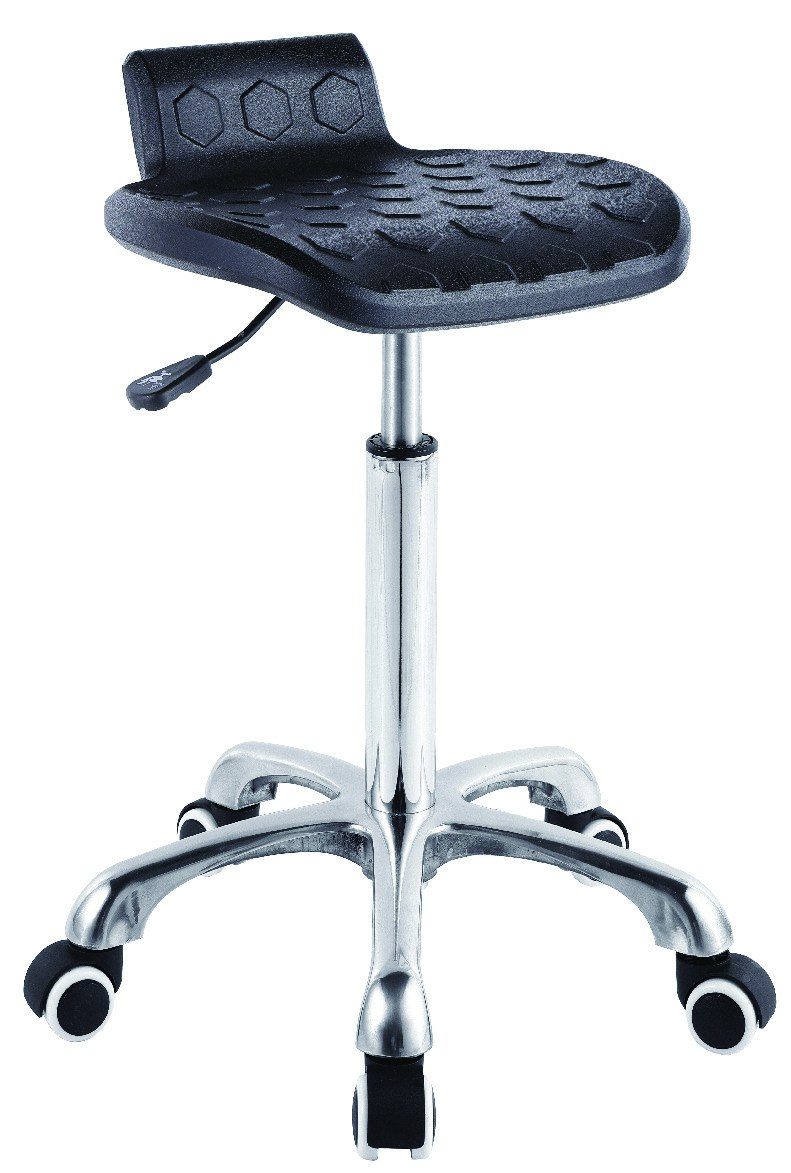
PT-ESD-CH01B
View product →
PT-DIN-0021
View product →Yes. Use an item schedule with quantities and references for each line. The proposed supplier, terms and delivery arrangements still need to be confirmed for the individual items.
Identify the original requirement, the offered alternative and the authorised approval. Update the item schedule and associated documents before they are used for an order or quality check.
Share a specification, drawing or project brief.