
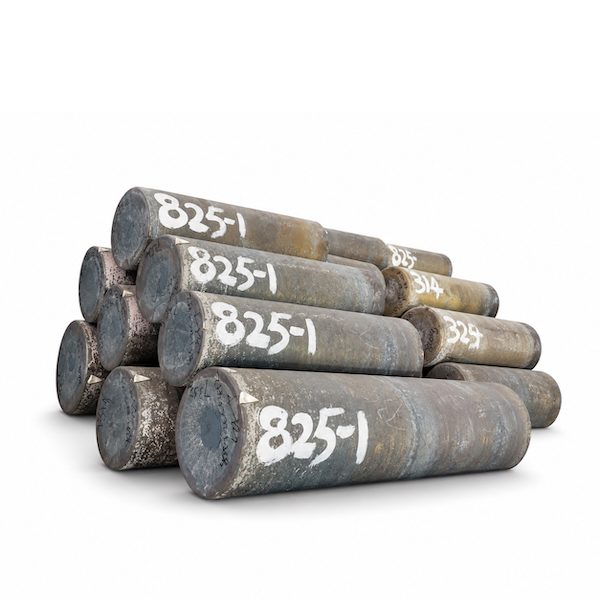
Alloy 825 Forged Bar & Billet (UNS N08825)
PT-XHA-CRA-00080
View product →Nickel and corrosion-resistant alloys are high-nickel or high-alloy metals that resist acids, chlorides, seawater and high-temperature oxidation better than standard stainless steel. The range covers iron-nickel-chromium Alloy 800H and 825, nickel-chromium Alloy 600, 601 and 625, nickel-copper Alloy 400 and K-500, Alloy C-276, super-austenitic 904L and duplex 2205 and 2507, supplied as bar, plate, strip, forgings and flanges.
Standards & documents: ASTM / AMS / AWS / GB product standards as listed per product; EN 10204 3.1 mill test certificates, heat traceability, ESR/VAR melting and NDT confirmed per enquiry. Pricing: on request – customised quotation.
Updated October 27, 2026 · 12 products
PT-XHA-CRA-00080
View product →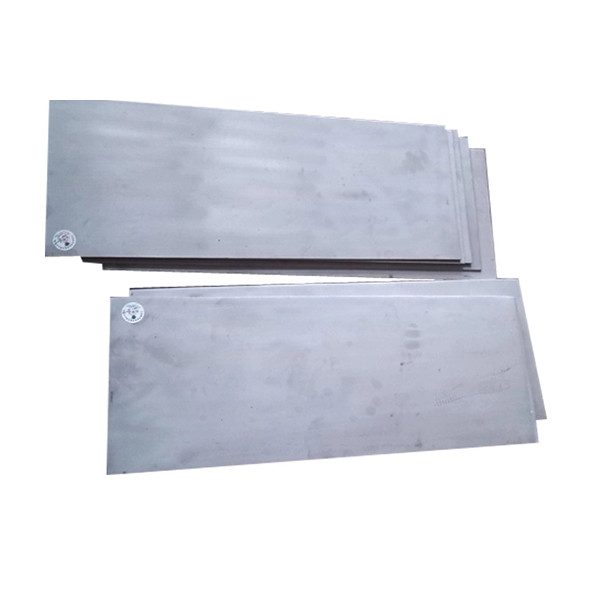
PT-XHA-CRA-00050
View product →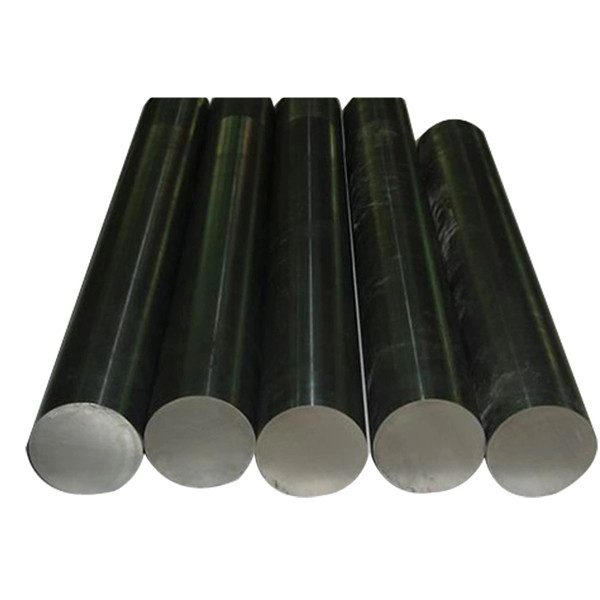
PT-XHA-CRA-00051
View product →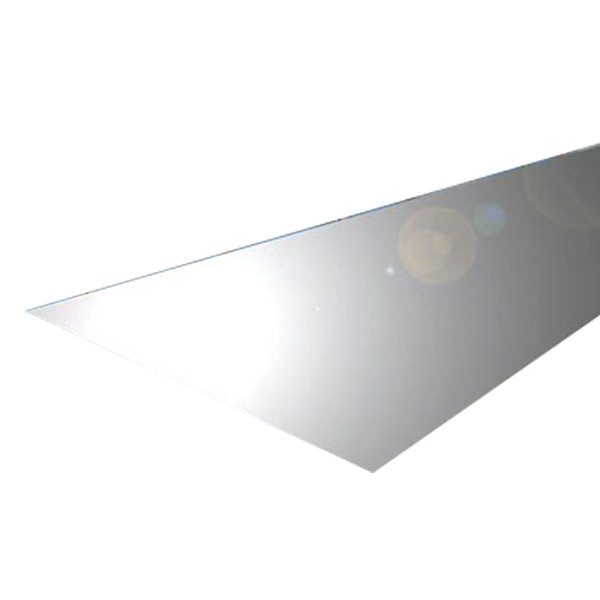
PT-XHA-CRA-00052
View product →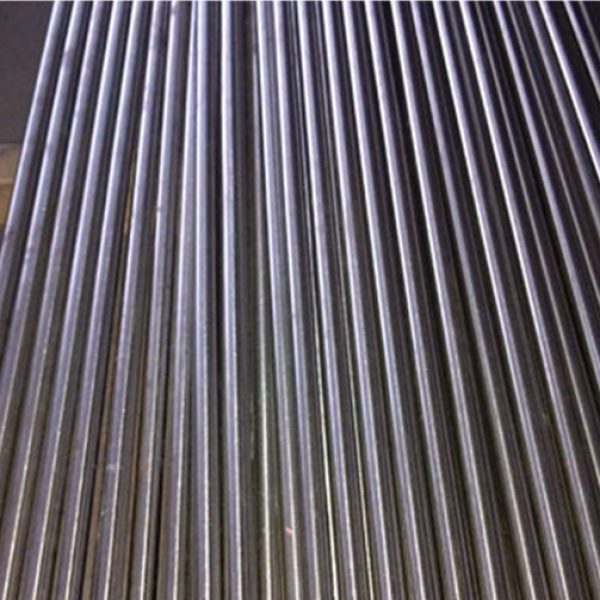
PT-XHA-CRA-00053
View product →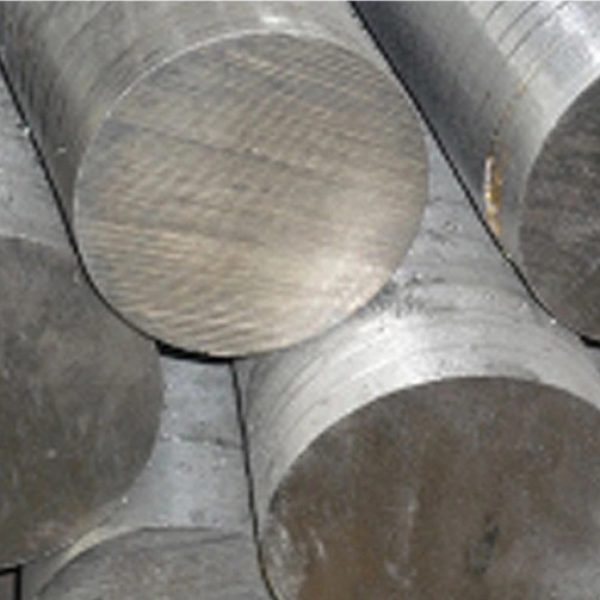
PT-XHA-CRA-00054
View product →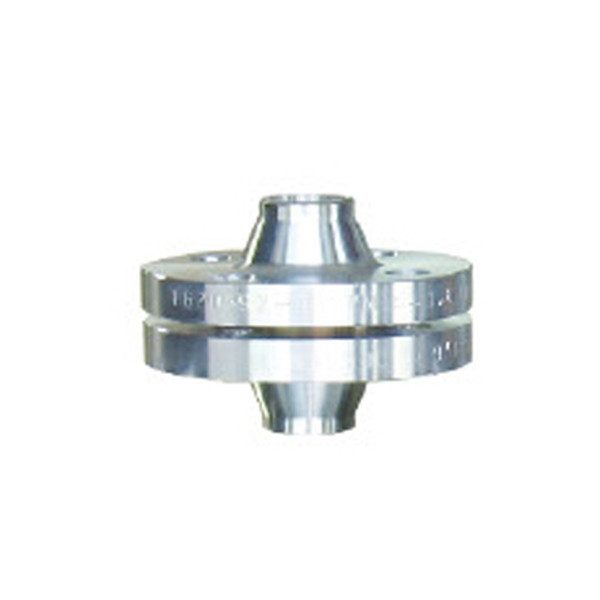
PT-XHA-CRA-00055
View product →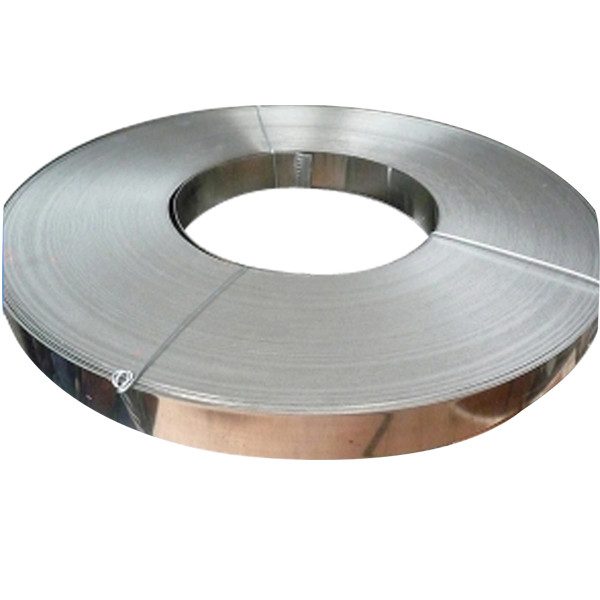
PT-XHA-CRA-00049
View product →
PT-XHA-CRA-00048
View product →
PT-XHA-CRA-00045
View product →
PT-XHA-CRA-00044
View product →
PT-XHA-CRA-00017
View product →Alloy 800H (UNS N08810) is widely used above about 600 °C because its controlled carbon and coarse grain give high creep-rupture strength; Alloy 601 is chosen where cyclic oxidation resistance is critical.
Alloy 825 is an iron-nickel-chromium alloy with molybdenum and copper for mixed acids at moderate cost; Alloy 625 is a nickel-chromium-molybdenum-niobium alloy with higher strength and stronger resistance to pitting and chloride attack.
No. Prices depend on grade, size, quantity, melting route, testing and certificates. Request a quote with the product codes and requirements, and PANDA COLLECTIONS will reply with a customised quotation.